The Mater home lottery, from draws to winners
The Mater home lottery is the biggest name in Queensland charity draws and one of the most searched lotteries in the country. Mater Lotteries has been giving away houses for more than 70 years. This guide covers the parts the official site glosses over: how the draw numbers work, where the homes have actually been, whether real people win them, and the unglamorous reality of what lands in your lap if your number comes out.
Last checked: September 2026
What Mater Lotteries actually is
Mater Lotteries is the fundraising lottery arm of Mater Foundation, which supports Mater, a large not-for-profit health group based in Brisbane. It is a licensed charity art union, meaning a registered charity sells tickets, funds the prize from the proceeds, and puts the surplus towards its cause. In Mater's case that cause is hospital care, medical research and health education across Queensland.
People use a few different names for the same thing, which is why searches split across "Mater home lottery", "Mater Prize Home" and "Mater Lotteries". They all point at the same organisation. Strictly speaking, Mater Prize Home is the flagship product, and Mater Lotteries is the umbrella that also runs cash and car draws. Worth knowing if you are trying to work out which draw you are actually buying into.
The scale is genuinely large. Mater has run prize home draws for over seven decades, the current packages run past $5 million, and tickets start at $2, which is the cheapest entry point of any major prize home lottery in Australia.
How the draws and draw numbers work
Every Mater Prize Home draw gets a sequential number, and that number is how regulars talk about them. If you have seen people searching "Mater Prize Home 326" or "327", that is why: the number is the draw's identity, and each one has its own house, its own closing date and its own ticket pool.
There are a handful of home draws across the year rather than a continuous rolling lottery, so at any moment one draw is open, the next is being built and promoted, and the last one has been drawn. Here is how the current cycle looks:
| Draw | Prize package | Closes | Drawn |
|---|---|---|---|
| Prize Home 327 | About $5.38M, Wurtulla beachside home, Sunshine Coast | 20 Oct 2026 | 23 Oct 2026 |
| Prize Home 328 | About $7.1M package | 20 Dec 2026 | Shortly after close |
| Lottery 131 | About $541,000 package (cash and prizes series) | 13 Nov 2026 | Shortly after close |
Two practical things follow from this structure. First, a draw can sell out and close early, so a published closing date is a ceiling, not a promise. Second, the draw is conducted a few days after tickets close, not on the same day, which is why people who bought a ticket often go looking for results a week later and find nothing yet.
For the live figures on whichever draw is open right now, we keep the current package, ticket price and closing date on the Mater Prize Home page.
Has anyone actually won? Yes, and here is why that is guaranteed
This is the single most common question about Mater, and the scepticism is understandable. A $5 million house for a $2 ticket sounds like the setup to a con.
But an art union is legally different from Lotto in one crucial way: the advertised prize must be awarded in that draw. It cannot roll over, and it cannot be cancelled if ticket sales come in soft. Somebody's number gets pulled, every single time. Over 70-plus years of Mater draws that is a lot of houses that have gone to real people.
Winners are drawn independently, then Mater contacts them directly on the details attached to the ticket, usually with a phone call. The result is published afterwards, typically with the winning ticket number and the winner's town or state rather than their full personal details, which is normal practice and a privacy courtesy rather than a sign of anything dodgy. If you want the full checklist for verifying any operator yourself, we set it out in are prize home lotteries legit.
Where the Mater homes have been
Mater rotates the prize home around desirable Queensland locations, which is why suburb searches spike hard for a few months and then vanish. Recent draws give you a good sense of the pattern:
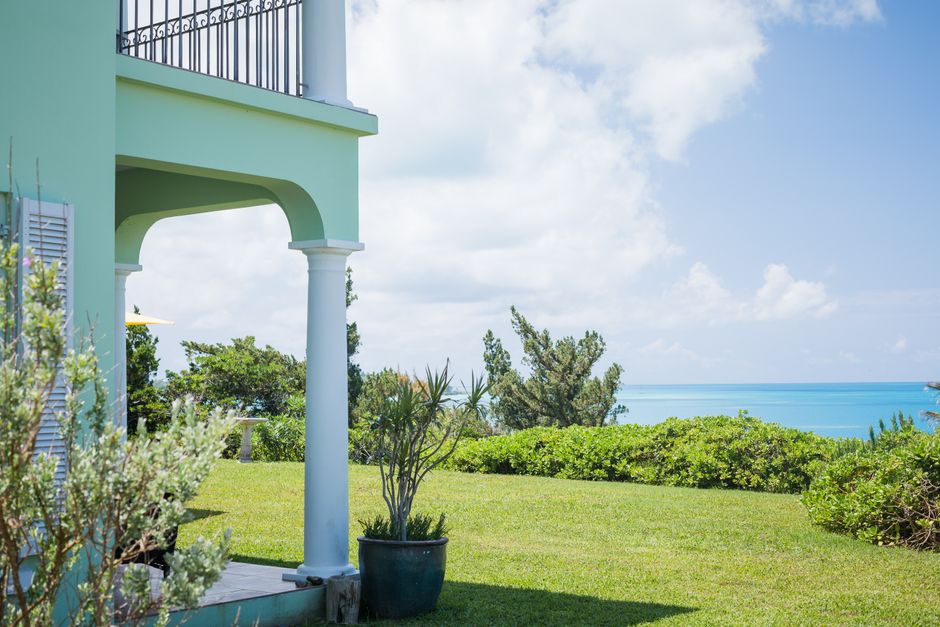
- Wurtulla, on the southern Sunshine Coast, is the current one: a three-level home on Oceanic Drive South with direct beach access, a magnesium pool and a rooftop balcony.
- Montville, in the Sunshine Coast hinterland, ran mid-2026 and drew enormous interest, searches for it hit around 18,000 in a single month.
- Bribie Island opened 2026 with a waterfront home in a roughly $4.5 million package that included a Cobalt R4 boat.
- Miami on the Gold Coast featured in early 2025, a design-led build heavy on marble and curves.
- Gold Coast hinterland and a canal-front home in earlier draws round out the mix.

The takeaway if you are picking draws: Mater leans coastal and lifestyle rather than metropolitan. If a beach or hinterland house is what you actually want, Mater delivers that more reliably than operators who mix in city apartments. If you want something you could realistically live in for work, look at the location before you buy, not after.
What actually happens if you win
The fantasy stops at the front door and the admin starts. Here is the honest version.
You get a phone call. The home is handed over fully built and fully furnished, with the title transferred into your name, plus whatever else was in that package: the car, the boat, the gold. There is no fee to claim it, no tax invoice to settle first, and nothing to pay to release the prize. Any message telling you otherwise is a scam, full stop.

What nobody advertises is that from the moment the title changes hands, the running costs are yours. Council rates on a multi-million dollar coastal property are not small. Neither is insurance, which on a beachfront Queensland home can be a genuine shock, particularly for flood and cyclone cover. Add utilities, body corporate fees where they apply, and general upkeep on a large house.
That is not a reason to avoid entering. It is a reason to think about the second decision in advance, because the winners who get into trouble are the ones who never considered it.
Keep it, live in it, or sell it
You own it outright, so all three are open to you. There is nothing in the draw conditions forcing you to keep the house.
Reasons winners keep
- You genuinely want to live on the coast and can work from there
- Mortgage-free living is worth more to you than the lump sum
- Rent it out and hold it as a long-term asset
Reasons winners sell
- The house is hours from your job, school and family
- Rates, insurance and upkeep outrun your income
- You would rather have the cash to clear debt or buy locally
Plenty of winners sell, and there is no shame in it. These homes are deliberately built in holiday locations, which is exactly what makes them appealing as a prize and awkward as a life change.
The tax question
Winning itself is not treated as taxable income in Australia, so no tax bill lands on the prize. What you do next is where tax can enter the picture: living in it as your main residence is treated differently from renting it out or holding it as an investment, and capital gains tax can apply to a later sale depending on how the property has been used.
That is general information, not tax advice, and the details depend on your circumstances. Talk to an accountant or check the ATO before making a decision this size. We go deeper in our guide to tax on prize home winnings.
The odds, honestly
Mater does not publish odds, and no Australian charity home lottery does. Your chance depends on how many tickets sell in that draw, a figure not disclosed in advance. On a multi-million dollar home selling a very large pool of tickets, a single $2 entry is a long shot.
What you can compare is value per entry. At $2 a ticket, Mater and the Deaf Lottery give you more entries per dollar than draws starting at $5, $10 or $50. That does not make winning likely, it just means your money buys more numbers. Anyone claiming to know which home lottery has "the best odds" is guessing, because the ticket counts are not public.
We break the maths down properly in how prize home lottery odds work, and compare all six major operators on ticket price and prize value in the best prize home lottery in Australia.
Mater's other draws
The prize home gets the attention, but it is not Mater's only lottery. Cars for Cancer is a long-running Mater draw built around vehicles, and it flies under the radar compared to the home draws. There is also a cash-prize series, including draws marketed as Mater Millionaire, where the headline prize has run into the millions in cash rather than bricks.
If a car is what you are actually after, these are worth a look alongside the commercial comps, and we cover the whole landscape in how to win a car in Australia.
Is it worth entering?
On the honest ledger: Mater has the cheapest entry of the major operators at $2, a genuinely strong track record over 70-plus years, a cause most Australians would back without hesitation, and homes in locations people actually dream about. Against that, the odds are long, the locations are holiday-shaped rather than practical, and a win carries real ongoing costs.
The sensible framing is the one that applies to every charity lottery: treat the ticket as a donation to Queensland health care that happens to come with a lottery ticket attached. On that basis it is good value. As an investment strategy, it is not one.